Just How Reporting Foreign Inheritance to IRS Functions: Key Insights and Guidelines for Tax Obligation Reporting
Steering the complexities of reporting international inheritance to the IRS can be challenging. There specify thresholds and types that people must recognize to guarantee compliance. As an example, inheritances surpassing $100,000 from non-resident aliens call for particular interest. Failure to abide by these guidelines may cause fines. Comprehending the subtleties of tax obligation implications and needed documents is vital. The complying with areas will certainly outline vital understandings and standards for effective tax reporting.
Comprehending Foreign Inheritance and Its Tax Obligation Effects
When individuals get an inheritance from abroad, it is crucial for them to recognize the affiliated tax obligation implications. In the United States, inherited possessions are typically not subject to earnings tax, however the estate from which the inheritance comes may have particular tax obligations. Foreign inheritances can make complex issues, as various nations have varying policies concerning estate taxes. Individuals must be aware that while they might not owe tax obligations on the inheritance itself, they may be in charge of reporting the worth of the international possession to the Irs (IRS) Additionally, money exchange prices and assessment techniques can affect the reported well worth of the inheritance. Understanding these facets is crucial to avoid unanticipated tax obligation obligations. Seeking guidance from a tax obligation expert skilled in international inheritance regulations can supply clarity and warranty compliance with both united state and international tax needs.

Reporting Requirements for Inherited Foreign Assets
The coverage demands for inherited international possessions involve specific limits and limitations that taxpayers should understand. Conformity with IRS policies necessitates the ideal tax obligation forms and recognition of possible penalties for failure to report. Recognizing these aspects is necessary for individuals receiving foreign inheritances to stay clear of lawful problems.
Reporting Thresholds and Purviews
While passing through the complexities of acquired international possessions, comprehending the reporting thresholds and restrictions established by the IRS is important for compliance. The IRS mandates that united state taxpayers report foreign inheritances surpassing $100,000 from non-resident aliens or foreign estates. This limitation relates to the total worth of the inheritance, incorporating all assets got, such as cash money, real estate, and financial investments. In addition, any foreign financial accounts totaling over $10,000 should be reported on the Foreign Savings Account Record (FBAR) Failure to stick to these thresholds can lead to substantial fines. It is critical for taxpayers to accurately evaluate the value of acquired international assets to guarantee certified and prompt reporting to the IRS
Tax Obligation Kinds Overview
Charges for Non-Compliance
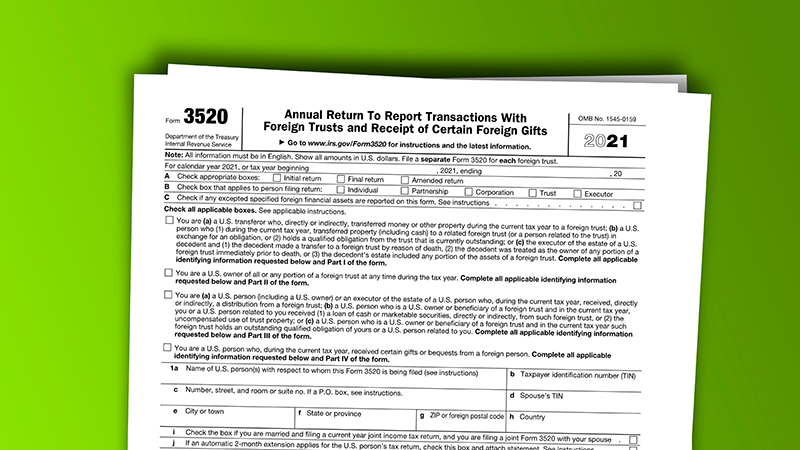
Failure to follow coverage needs for inherited foreign properties can cause considerable penalties for united state taxpayers. The IRS implements stringent regulations pertaining to the disclosure of international inheritances, and failures can bring about fines that are frequently substantial. Taxpayers may encounter a charge of up to $10,000 for falling short to file Kind 3520, which reports foreign presents and inheritances surpassing $100,000. In addition, continued non-compliance can rise charges, possibly rising to 35% of the worth of the inherited possession. Furthermore, failure to record can also cause much more extreme consequences, consisting of criminal costs for willful disregard. Taxpayers have to remain alert to stay clear of these repercussions by making sure exact and timely coverage of international inheritances.
Key Types and Paperwork Needed
When a specific receives a foreign inheritance, it is important to understand the essential types and documents needed for compliance with IRS policies. The main kind required is the IRS Kind 3520, which must be filed to report the receipt of the foreign inheritance. This type gives comprehensive information regarding the inheritance, consisting of the identification of the international decedent and the worth of the acquired properties.
In addition, if the acquired home includes foreign savings account or other financial assets, the person might require to file the Foreign copyright Report (FBAR), FinCEN Form 114, if the complete worth surpasses $10,000. Appropriate paperwork, such as the will or estate files from the foreign territory, must likewise be gathered to substantiate the inheritance claim. Maintaining detailed documents of all purchases and communications connected to the inheritance is vital for exact coverage and conformity with IRS demands.
Tax Treaties and Their Effect On Inheritance Tax Obligation

Understanding the effects of tax treaties is vital for people getting foreign inheritances, as these arrangements can greatly influence the tax obligations associated with inherited properties. IRS Form 3520 inheritance. Tax obligation treaties between nations typically offer specific go to website guidelines on just how inheritances are exhausted, which can cause reduced tax obligation liabilities or exceptions. A treaty may state that particular types of inheritances are not subject to tax in the recipient's nation, or it might permit for credit scores against tax obligations paid abroad.
People should familiarize themselves with the certain provisions of pertinent treaties, as they can vary significantly. This expertise aids ensure compliance with tax obligation regulations while optimizing potential advantages. In addition, understanding how treaties communicate with domestic legislations is important to properly report international inheritances to the IRS. Subsequently, seeking advice from a tax obligation specialist fluent in worldwide tax legislation may be a good idea to browse these complicated policies successfully.
Common Blunders to Prevent When Coverage Inheritance
Numerous people believe they can quickly browse the complexities of reporting international inheritances, they frequently forget crucial information that can lead to considerable errors. One usual mistake is falling short to report the inheritance in the correct tax obligation year, which can cause penalties. In addition, some individuals overlook to transform international assets into united state dollars at the suitable exchange price, consequently misstating their worth. Another regular oversight entails misinterpreting the reporting limits; individuals may presume they do not require to report if the inheritance is below a specific quantity, which is imprecise. Furthermore, misclassifying the kind of inheritance-- such as dealing with a gift as an inheritance-- can complicate reporting responsibilities. Finally, individuals typically fall short to maintain thorough documents, which is crucial for preventing and confirming insurance claims audits. Understanding of these risks can considerably improve conformity and reduce the threat of economic consequences.
Seeking Professional Aid for Complicated Circumstances
Maneuvering the details of reporting international inheritances can be daunting, especially for those with intricate monetary situations. People dealing with issues such as numerous international assets, differing tax implications find out here throughout jurisdictions, or intricate family members dynamics might take advantage of professional help. Tax specialists focusing on international tax obligation law can give very useful insights right into the nuances of IRS laws, guaranteeing conformity while reducing possible obligations.
Involving a certified public accounting professional (CPA) or tax lawyer with experience in foreign inheritance can assist clarify reporting needs, identify suitable exemptions, and strategize finest tax obligation methods. In addition, they can assist in finishing essential forms, such as Type 3520, and taking care of any extra disclosure demands.
Eventually, looking for specialist assistance can ease stress and anxiety and enhance understanding, enabling individuals to concentrate on the emotional facets of inheritance instead of becoming overwhelmed by tax complexities. This proactive method can result in a lot more desirable end results in the future.
Regularly Asked Inquiries
Do I Required to Record Foreign Inheritance if I'm Not a united state Person?
Non-U.S. residents normally do not require to report international inheritances to the IRS unless they have certain connections to U.S. tax obligation legislations. Nevertheless, it's a good idea to get in touch with a tax obligation expert to clear up individual situations.
Exist Charges for Stopping Working to Record Foreign Inheritance?
Yes, there are fines for stopping working to report foreign inheritance. People may face substantial fines, and the IRS could enforce extra consequences for non-compliance, possibly affecting future tax obligation filings and monetary status.
Can I Subtract Costs Connected To Handling Inherited Foreign Assets?
Expenditures associated to taking care of inherited international possessions are generally not insurance deductible for tax objectives. However, people should get in touch with a tax specialist for guidance customized to their specific scenarios and potential exceptions that might apply.
How Does Foreign Currency Impact the Value of My Inheritance Record?
Foreign currency changes can considerably impact the reported value of an inheritance. When transforming to united state bucks, the exchange rate at the time of inheritance and reporting identifies the final reported worth for tax obligation objectives
What Happens if My Foreign Inheritance Is Held in a Depend on?
It may complicate reporting demands if an international inheritance is held in a depend on. The trust fund's framework and tax obligation effects must be analyzed, as beneficiaries can encounter varying tax check my blog obligation obligations based upon territory and trust fund kind.
The Internal revenue service requireds that United state taxpayers report international inheritances surpassing $100,000 from non-resident aliens or international estates. Furthermore, any type of foreign financial accounts totaling over $10,000 must be reported on the Foreign copyright Record (FBAR) People acquiring foreign assets should usually report these on Type 8938 (Statement of Specified Foreign Financial Assets), if the complete worth surpasses certain limits. Depending on the nature of the inheritance, various other forms such as Form 3520 (Yearly Return To Record Transactions With Foreign Trusts and Receipt of Particular International Gifts) might likewise be necessary. In addition, if the acquired building consists of foreign financial institution accounts or various other financial assets, the person may require to submit the Foreign copyright Record (FBAR), FinCEN Type 114, if the complete value exceeds $10,000.
Comments on “Reporting foreign inheritance to IRS: legal implications”